
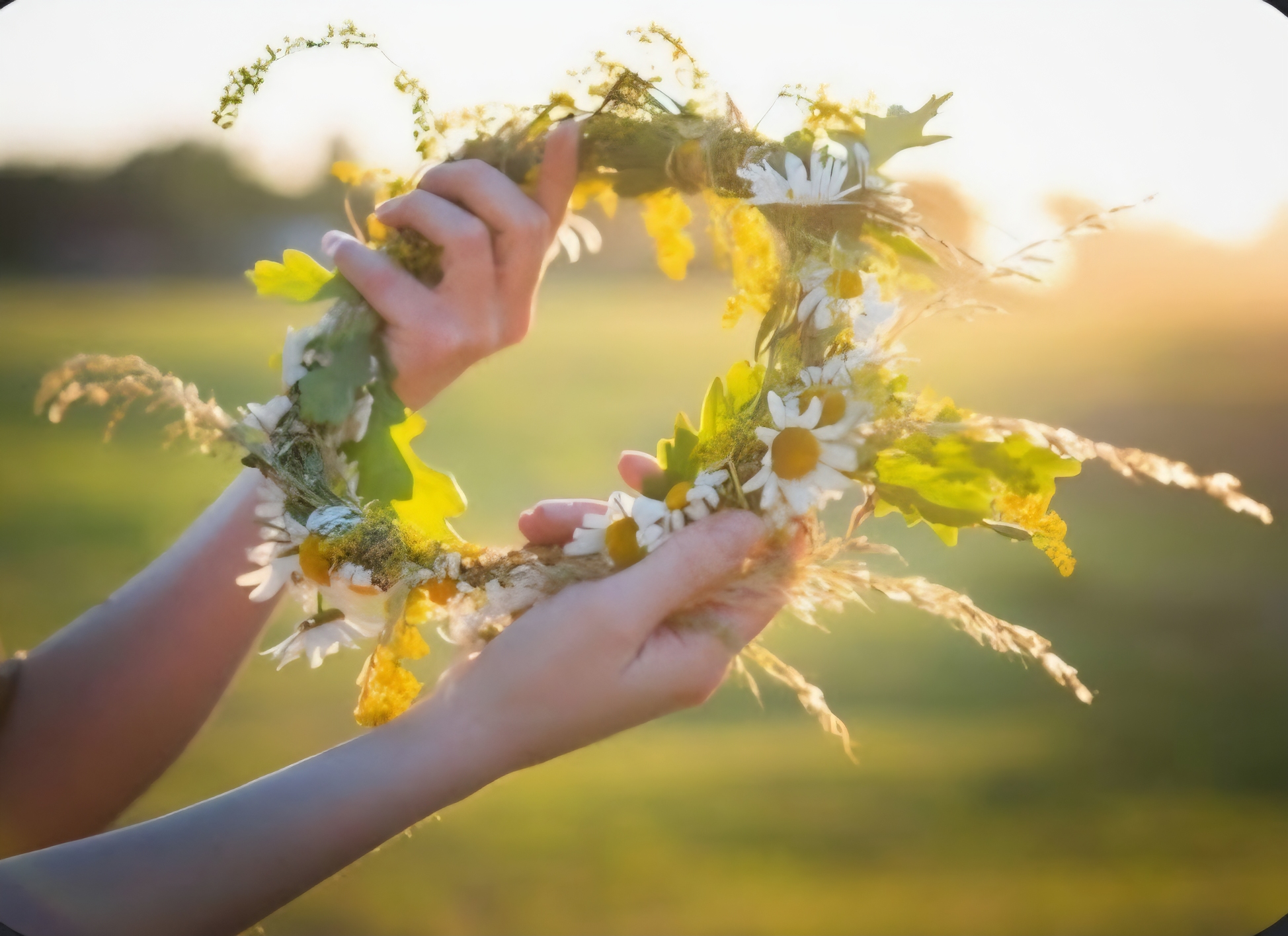
June 21st, the longest day in the Northern hemisphere, otherwise known as the summer solstice or Litha.
In the UK, the solstice is widely associated with Stonehenge and the druids with crowds gathering ever year to watch the sunrise. Stonehenge dates back to 3100BC with the famous standing stone circle itself dating back to 2600-2400BC but did you know that the summer solstice has been celebrated around the world for over 10000 years?
The ancient Celts worshipped Bel, a god associated with the sun, light, healing, and fire around the time of the solstice although there is a strong connection now to Beltane which is celebrated around 1st May to mark the mid-point between the spring and summer equinox.
The Romans honoured the goddess Vesta around the time of the solstice by celebrating a weeklong festival, the Vestalia. Vesta was attended in her temple by the Vestal Virgins who tended her sacred flame. It was said that if the fire went out then Rome would fall.
The Vikings also celebrated the summer solstice with fires and feasting. They believed that at the solstice the veil between worlds was thin and used it as a good time to communicate with the spirit world to divine the future. They too lit bonfires that were intended to drive away any malicious spirits.
In Celtic mythology, it was believed that the summer solstice (Litha) was a time when the veil between our world and the faerie world was at its thinnest. Mythology also marks the solstice as the time of the annual battle between the Oak King who ruled for the first half of the year and the Holly King who ruled until Yule (winter solstice).
Slavic nations historically celebrated Kupala Night at the summer solstice. This was a celebration of fire and water where young couples would jump over the fires to ensure fertility and single girls would float flower crowns down rivers to attract love.
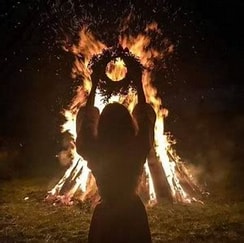
Modern day Litha is celebrated in s similar way by Pagans and Wiccans with bonfires and feasting, the wearing of flower crowns and with rituals to honour the sun and the earth, showing gratitude for a successful harvest to be gathered in.
It fascinates me to see how ancient traditions, myths and rituals remain entwined in 21st Century life.
Now, if you’ll excuse me, I’m off to make my flower crown and to build a bonfire. Anyone got a match?
(Images sourced via Google – credit to the owners)


